|
Fescue
grass is a group of cool season grass varieties that grow
from the USA transition zone, north into Canada as lawn, sports fields, commercial lawns, and
pasture grass. Easy to establish from seed, the fescue species of grass
contains two sub-species Tall Fescue and Fine Fescue of which
Seedland.com sells many different seed varieties.
Originally established for pasture usage, there are now many varieties of Fescue Grass Seed that have been developed for use in lawns which we discuss here. Please see our
Fescue Pasture
Grass page for information on using tall fescue grass for horse, sheep and livestock grazing and hay production. The
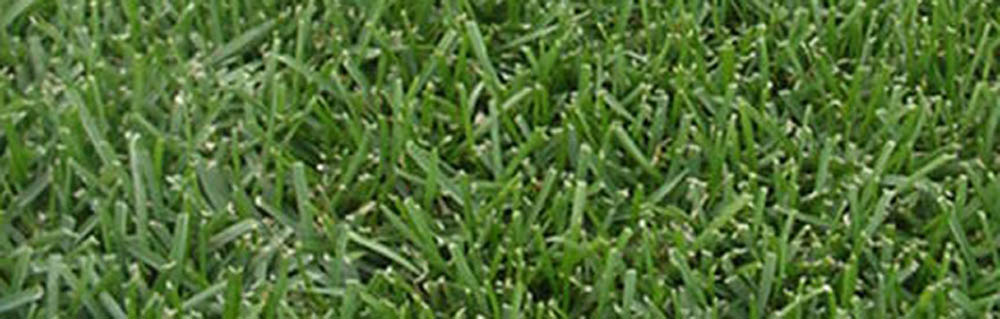
Tall Fescue grass species is a coarser bladed, dense clumping grass that grows well in shady areas. The Fine Fescues are fine, shorter fescue grass varieties named
creeping red,
hard fescue,
chewings fescue and
sheep fescue. Click on the previous links or
scroll down to read about each fescue seed variety. All varieties of fescue grass have characteristics in common
with various seed mixtures and seed blends being developed that are more drought and disease resistant. Three of the most dominate common characteristics of all the fescues, when properly
established, are drought resistance, excellent shade tolerance, and they are green year round with the Fine Fescues being more cold tolerant than the Tall Fescues.
 Tall
fescue grass varieties for lawns and other turf have a finer texture than the traditional cultivars such as Kentucky 31 though not as fine textured as fine fescues.
Defiance XRE,
Titan LTD,
Defiance XRE
Blue, Rebel Shade,
Greystone,
Pennington's Smart Seed are just a
few of the turf type
Tall Fescue Seeds, Mixtures & Blends sold by Seedland online. Tall fescue seed are used
extensively in transition areas for the sowing of lawns, athletic fields such as baseball fields, play fields, polo fields, in commercial sites like hospitals, or any place a good, dense,
traffic resistant lawn is desired.
Tall Fescue seed grow best in heavier soils with a lot of organic matter. This grass is more shade tolerant than most of the cool
season grasses of the north, grows well in the transition areas where cool season grasses won’t take the warmer climate and in the upper areas where the warm season grasses won’t tolerate
the cooler weather.
Creeping
Red Fescue is a very fine bladed grass with a deep green color that
grows and spreads by rhizomes
or creeping stems that grow sideways under ground. Creeping Red fescue seed is planted in cool, shaded areas as
this grass is very shade tolerant as opposed to other cool season grasses. Red fescue seed is often used in seed mixtures such as bluegrass to add shade tolerance to a bluegrass lawn. Another desirable trait of creeping red fescue is that it
has low fertilization and low irrigation requirements.
Lustrous Red Fescue is one of the improved variety creeping red fescue
cultivars
that Seedland sells in addition to
common red fescue seed.
Hard
Fescue Grass is indeed one of the "hardiest " of the fescue grass
species. This cool season fescue seed is often used in seed mixtures when shade tolerance and or low fertility soils are an issue. Hard Fescue grass grows best in the northern and higher
elevation areas of the USA, has a beautiful blue-green color and requires little if any mowing. One of the more popular hard fescue grass seeds sold by Seedland is
Predator Hard Fescue.
Hard fescue grows in clumping formations and may not be mown as low as the other fescues, with optimum mowing occurring once a month at a height of 3 to 4 inches. If desired, hard fescue
can be left un-mown to form a 4 to 6 inch tall "carpet of grass" that is great for use on slopes, highway medians, and little used areas of parks. Hard fescue varieties are suitable for
use in lawns, golf course roughs and make an ideal conservation, erosion, and reclamation planting in areas not easily maintained. Hard Fescue grass is naturally salt tolerant.
Chewings
Fescue Grass is a bunch-type fescue with an upright growth pattern
that resembles Tall Fescue grass while retaining the fine leaves of fine fescue.
Chewings Fescue is sometimes used to overseed shady lawns usually in lawn mixtures containing perennial ryegrass. Well adapted to sandy, acidic and infertile
soils, Chewings Fescue grows well in the cooler areas of the northern USA and Canada, the coastal regions of the Northeast, Pacific Northwest and other areas where summers are cool.
As all fescues do, chewings fescue grows well in the shade, is drought resistant, and blends well with almost any grass. Chewings fescue can be mown lower and prefers to grow on the more sandy soils of low fertility. Chewings fescue will germinate in about fourteen days. This fescue can be mown low at 1½
inches making it even more popular if grown alone or in mixtures. Chewings Fescue Grass Seed over-seeds well into other lawns for better diversity and problem solving.
Sheep's Fescue
Grass (Festuca ovina) grows as a bunch grass which is used for erosion control, meadow grass, soil improvement, drought tolerant lawns. Sheep's Fescue also has ornamental uses
in landscaping and wildflower stands. Sheep Fescue is a a cool season perennial grass that has a blue-green color, grows to 16" tall and is densely tufted. Seedland.com sells
Sheep
Fescue Seed for the uses listed above. Sheep will graze this variety of sheep's fescue.
Sheep Fescue Grass is adapted to ND to WA and AK, south
to AZ and NM; introduced eastward to MI, ME, IL and SC.
|
Fescue.com
Growing
a beautiful tomorrow!® |
|
|