|
NOTE:
You have reached an information page.
To view
product prices visit our store at
Seedland.com |
|

ORDER
ONLINE |
PHONE ORDERS:
PHONE
Phone Business hours - Mon-Fri. 9-5 EST ONLY - Contact via
Email
 |
|
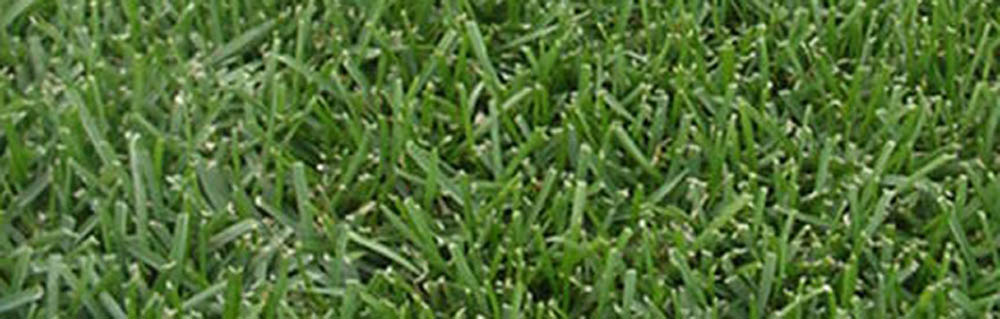
Fescue grass seed is used in lawns, athletic field, play areas,
erosion control sites. Country meadows plantings with wild
flowers, pastures, basically anywhere a cool season all
around, green, general-purpose grass is needed.
|
CLICK TO BUY QUALITY
FESCUE SEED
AT SEEDLAND
Or view our seed prices. |
|
 |
Tall, chewings and creeping red
fescue are used for lawns, renovating lawns,
reseeding and overseeding lawns of cool season and warm season
grasses. Hard fescues are becoming more popular for lawn uses with the introduction of better varieties for lawns. Fescue grass is grown on playgrounds, ball fields, polo fields, parks,
industrial and business sites and shady sites where average grasses tend not to grow. Anywhere an all year green lawn is desired. Fescue grass is also grown in low maintenance areas that can't easily be mown and are left to grow freely. Tall fescue is also grown in pastures for a large part of the forage in the United States read more about
Tall Fescue for pasture uses.
Lawn Uses For Tall Fescue Grass
Being a cool season grass,
Tall Fescue grows well in the shade in the northern states where
the warm season grasses can’t hold up. This makes it a prime
component of cool season grass mixtures for more coverage
situations. Tall fescue is a medium to heavy wear grass and can be
planted on playgrounds, sports fields, polo fields, park and
general commercial areas as well as lawns and golf courses.
Dwarf varieties have been developed for a closer mown lawn with a
finer appearance.
Tall fescue is one of the most widely used of the cool season grasses for utility turfs and in mixes of Bermuda lawns to provide winter greening while the Bermuda is in
dormancy.
Some recommended tall fescue grass seed and tall fescue seed blends used for lawns:
Rebel
Supreme Tall Fescue Grass
Rebel
IV Tall Fescue Grass
The Rebels Tall fescue Grass
Kentucky 31 Tall Fescue Grass
Summer
Lawn Tall Fescue Grass
Summer
Lawn Plus Tall Fescue Grass
Matador
GT(Dwarf) Tall Fescue Grass
Mow
Less Tall Fescue Grass
Pasture Use for Tall Fescue
NOTE: DO NOT PLANT LAWN FESCUE SEED FOR PASTURE USE
Tall Fescue pastures have been
in existence since the early immigrants introduced the grass to
the Northern Continent upon their arrival, with Kentucky 31 being the predominant variety. Tall fescue is used for
pasture, hay and silage and is easily established and a lower
maintenance pasturage than bluegrass.
But there is a problem with traditional fescue grass, that is Endophytes, a natural fungus that grows on fescue grass. Endophytes will cause problems for grazing livestock such as cattle or horses. The solution is endophyte free or endophyte friendly fescue grass seed. The recommended
Tall Fescue grass seeds for pasture
use:
MaxQ Jesup Tall Fescue
Bronson Tall Fescue
Bull Tall Fescue
For more information see using Tall Fescue for pastures.
Uses For Creeping Red Fescue
Creeping red fescue is one
of the most widely used fescues in seed mixtures for the production of
dense and compact turfs, and primarily used in seed mixtures of
bluegrasses and rye grasses for the shadier areas not covered by
these grasses. Creeping Red fescue is used in northern lawns of the
transition area, north to provide fall and spring color as an overseeded grass or stand alone lawn.
Creeping Red fescue prefers shady, cooler areas than other cool season grasses and is ideal
for use in mountain sites, camps, resorts, parks, cemeteries, lawns and along roadways where less mowing is desired. This fescue grass is low maintenance in that it is low growing, requires little
fertilization, and little irrigation. Creeping Red Fescue seed is occasionally used to overseed warm-season turfs such as Bermudagrass.
It grows best in well drained sites and in droughty, infertile soils. It does not tolerate wet soils or high fertilization rates, including highly fertile soils.
Some recommended Creeping Red Fescue grass seed for lawns & other uses:McAlpin Creeping
Red Fescue Grass
Seabreeze GT Creeping Red Fescue
Uses For Hard Fescue Grass
Hard fescue grass is indeed one of the "hardiest" of the fescues. Shade and drought resistant, and more disease resistant this fescue grows best in the north and the
higher elevations. Hard fescue has blue-green color, and can grow in some of the most adverse of conditions and in heavily shaded areas. Hard fescue grows in the clump formations and may
not be mown as low as the other fescues. Hard fescue is one grass that stays green a longer period of time, is slow growing and a low maintenance grass. Varieties of hard fescue are being
developed for extended usage and acceptability as lawn grasses. This fescue makes an ideal conservation, erosion, and reclamation planting in areas not easily maintained. Hard Fescue grass
is also salt tolerant. Hard fescue is a cool-season grass often used in cool-season grass seed mixtures when shade is an expected problem. It does well on low fertility soils
and in shaded areas. This species is good as a non-mowed turf for slopes, median strips, and non used areas of parks. It does not recover well from severe injury and is not tolerant of
high summer temperatures.
Left un-mowed, this no-mow lawn will form a soft, 4- to 6-inch-tall carpet of grass. If you prefer a more cropped look, mow once a month to a height of 3 to 4 inches.
Some recommended Hard Fescue grass seed for lawns & other uses:
Aurora Gold GT Hard Fescue
Predator Hard Fescue
Little Bighorn Blue Hard Fescue
Uses For Chewings Fescue Grass
Chewings fescue grass is an aggressive, bunch-type fine fescue that can overtake other grasses and weeds. Because of its high shade tolerance, it is sometimes used to overseed shady lawns, often in mixtures with perennial ryegrass. Chewings fescue is best adapted to cooler areas in
the northern United States and Canada, the coastal regions of the Northeast and Pacific Northwest, and elsewhere where summers are cool. It is well adapted to the sandy, acidic, often
infertile soils that are found in these regions.
Chewings fescue resembles Tall Fescues in growth being more upright than creeping, yet still retaining the fine texture of the fine fescue group. The predominant use of chewings fescue is
in the addition to other grass seed mixtures. One of the most popular is the mixture of perennial rye grass and chewings fescue. The adaptations of chewings improves the predominant
grasses ability to better perform.
Chewings Fescues have long been known for their fine leaf texture and to be among the most shade and drought tolerant of the cool season grasses. Chewings Fescues require less frequent
mowing than ryegrass, tall fescue or Kentucky bluegrass, and perform well in low fertility areas such as golf course roughs.
As all fescues do, chewings grows well in the shade, is drought resistant, non-aggressive and blends well with almost any grass. Chewings is not as wear tolerant as other grasses of the
fescues but can be mown lower and prefers to grow on more sandy soils of low fertility. Chewings fescue germinates in about 14 days. This fescue can be mown low at 1½" making it even more
popular if grown alone or in mixtures. Over seeds well into other lawns for better diversity and problems solving.
Some recommended Chewings Fescue grass seed :Seven Seas Chewings Fescue Grass
Shadow II Chewings Fescue Grass
|
Fescue.com
Growing
a beautiful tomorrow!® |
|