|
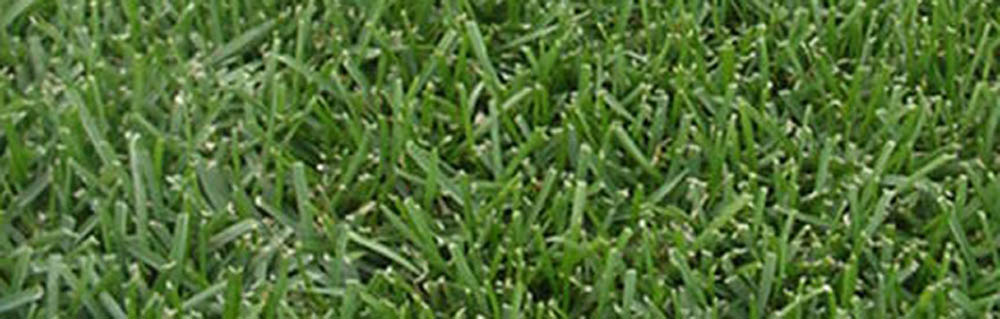
Titan T.L.C. Plus contains the T.L.C. fescue varieties plus Kentucky Bluegrass. There are applications for grass seed that may require the
addition of a different grass species to a blend of another. For example, sometimes northern athletic fields, lawns and sod farms need even more density and tensile
strength that no tall fescue can provide, but can only be found with Kentucky bluegrass. This is why T.L.C. Plus was created.
This tall fescue/bluegrass seed mixture is predominately comprised of the tall fescue grass seed found in
Titan T.L.C. Tall Fescue Grass Seed Blend with the addition of Kentucky Bluegrass Seed. The Titan fescues are perfect for most applications where a fescue/bluegrass mixture are desired. This grass seed formula will be able to access water and nutrients at a deep level and be able to take the pressures of sun, shade, and heat, while still looking great. The Kentucky bluegrass component adds additional rhizome activity to provide a quicker recovery.
Key Features Of TLC Plus Tall Fescue & Bluegrass Seed Mixture
- Traffic Tolerant
- Fast Establishing
- Ideal For Sun & Shade
- Excellent Pest Resistance
- Attractive, Deep Green Color
- Very Drought and Heat Tolerant
- Self-repairing rhizomes
- Natural insect resistance
- Disease resistance and more!
Starting A New Lawn Or Repairing Bare Spots
Ideal Planting Time: The best time to plant is late summer, early fall, or spring. If seeding at other times, be prepared to touch up thin or bare spots as needed.
Seedbed Preparation: Till the soil approximately 6 inches deep. Level with garden or landscaping rake. Surface may be firmed by rolling or soaking, then re-raking till level. Leave top ˝
inch loose to allow seed to be worked into soil.
Fertilization: Prior to or right after seeding, apply a starter fertilizer to help proper root development. Continue using a systematic fertilizer program to maintain a healthy lawn.
Seeding: Sow seeds evenly at 7-10 lbs/1,000 square feet. Rake lightly into soil. No more than 1/8 inch of soil should cover seed. Roll with a water roller.
Covering: Use blankets, pelletized or paper mulch, or straw to hold soil moisture and hasten germination. Baled straw may bring in unwanted weeds; use with caution.
Watering: Do not allow soil to dry out. Keep soil moist with frequent light watering until seedlings are visible. After lawn is established, water as necessary.
Mowing: Maintain mower height between 2 to 3 inches, never remove more than 1/3 of the grass plant with each mowing.
Weed Control: It is very common to see new weeds when planting a new lawn or disturbing the soil. For new lawns, wait 6-8 weeks before using any herbicide. For existing lawns, the best
weed control is to maintain a healthy lawn by regular fertilization, proper mowing, and watering as necessary.
Overseeding An Existing Lawn
Lawn Preparation: Mow lawn to 1 inch and remove clippings. Dethatch with a power rake or hand rake smaller areas.
Seeding: Sow seed evenly at at 4-6 lbs/1,000 square feet. Work seed into existing turf by raking.
Watering: Keep soil moist with frequent, light watering until grass is established.
Mowing: Follow normal mowing practices when grass reaches 3 to 4 inches in height.
|
Fescue.com
Growing
a beautiful tomorrow!® |
|
|
|