|
NOTE:
You have reached an information page.
To view
product prices visit our store at
Seedland.com |
|

ORDER
ONLINE |
PHONE ORDERS:
PHONE
Phone Business hours - Mon-Fri. 9-5 EST ONLY - Contact via
Email
 |
|
|
The Fescues:
The fescues are cool season grasses that are adapted to
the transition zone and into Canada. The fescue
species are easily seeded and include the sub species of
tall bunching grasses named tall fescue and fine shorter
fescues named creeping red, hard, chewings and sheep
fescue.
All of the fescues
share the same variety characteristics with the three
dominant ones being shade tolerance, staying green all
year, and having very good drought resistance.
Fine Fescues are more cold and shade tolerant than Tall
Fescue, but both are used though-out much of the Central
to Northern USA states. |

|
The majority of cool
season grasses (besides the Fescues) are not shade
tolerant nor do many perform well in the lower areas of the
transitions zone where the season is too hot for the cool grasses
and in the area of the transition zone that is too cold in the
winter for the warm season grasses.
|
CLICK TO BUY QUALITY
FESCUE SEED
AT SEEDLAND
Or view our seed prices online.
|

Note:
Planting Tall Fescue in Northern colder states with
temps below 10 degrees can result in winter kill on Tall
Fescue. Map above includes both the fine and tall fescues growing
range.
Bluegrasses are
more cold tolerant.
|
Fescues fill a large gap in
the grass field created by the climate differences that are not
fully defined by zone. Fine Fescues are readily used in mixtures
with the Kentucky bluegrass varieties for summer northern lawns
and with the warm season grasses in winter lawns. Both Fine and
Tall Fescues can remain green all year long in the cooler
climates. They usually will become dormant in the areas too
hot during the summer or too cold in winter and will show a paler
green color at these times. Fescues are also used in overseeding
warm and cool grass lawns.
TALL
FESCUE | CREEPING RED FESCUE | CHEWINGS
FESCUE | HARD FESCUE
 |
New!!!
DEFIANCE XRE Tall Fescue Blend with Rhizome
spreading capability.Read
more about this exciting
Fescue Blend that offers repair ability to Tall
Fescue lawns! |
| Fescue.com
- Tall & Fine Fescues |
|
Fescues differ in
texture from the "coarse " to the
very fine in the leaf structure. The fescues are divided
into sub-species of shorter fine grasses and tall grasses;
each having individual characteristics and specified use.
The three major species are listed below...

|
PENN FESCUE PLUS
Turftype
Tall Fescue -
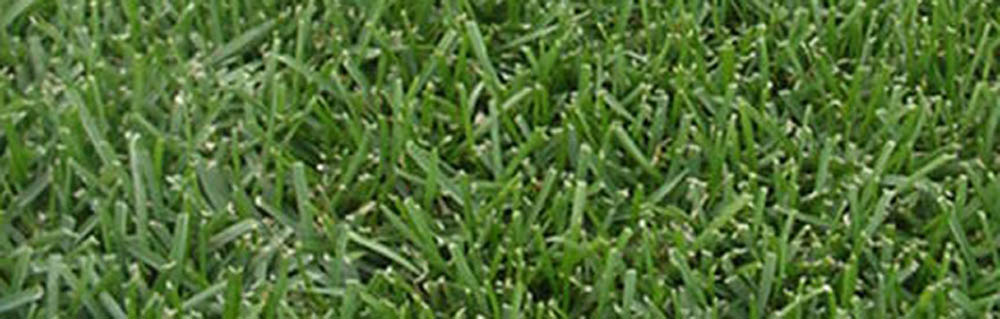
Above lawn pictured has
varieties included in the Fescue Plus
|
Tall fescues
make early, fast growing "average" lawns and can provide
a lawn of low maintenance. Tall fescue is the coarser of the lawn
fescues, with a dense turf when maintained, forms a clumping
growth at the base of the grass plant, drought resistant ( as cool
season grasses are categorized) and is shade tolerant. |
CLICK TO BUY QUALITY
FESCUE SEED
AT SEEDLAND
Or view our seed prices. |
The newer Turf-Type Fescues are more dwarf
in plant size, and create much more attractive lawns than do the
older varieties. They have better drought tolerance, improved
disease resistance and perform under heat better. Much changed
from the older troublesome varieties. Popular choices of
improved varieties are PENN 1901,
Fescue Plus,
Palmers Choice,
Shady Lawn Blend,
Rebels,
Mow Less Blend,
Summer Lawn,
Summer Lawn PLUS and
many more quality varieties!
Older
varieties of Tall fescue
are planted as pure stands in pastures. These same seeds
when planted in a fine
fescue or Kentucky bluegrass lawn, result in the different characteristics
(clumping / tall), in the pasture types being considered a
weed. Newer varieties of the older Tall
fescue are grasses that can endure heavy traffic have
been developed for higher disease resistance, insect resistance,
better blade structure, and lower mowing capabilities, better
color, etc.. These varieties are available in seed form are
numerous.. Tall fescue while being once considered only a forage grass; can now perform as a good average
"utility" turf lawn when used primarily as the
dominate species and in better lawns when chosen by variety for
the better lawns.
Tall fescue lawns can easily be over seeded when the lawn is thin and
start to get the bunching, clumping uneven appearance. This can be
the result of extreme heat during the summer, disease or insect
damage or other factors. The Tall Fescue is then over seeded in the
fall to get the lawn into shape before the next hot summer weather
sets in. This is a good time to add newer and better varieties
(especially in older stands) to the lawn. Several
varieties for improved lawn performance can be over seeded yearly.
The variety or varieties should be chosen by the adaptive
characteristics for the region in which you are planting.
Have Shade
Issues?
NEW! -
REBEL SHADY MIX FOR LAWNSMix of
Tall Fescue & Creeping Red Fescue
Consider using the Rebel Shady Mixture. Seed mixture
containing 75% Tall Fescue & 15% Fine Fescues (aprox %).
Provides increased performance under shade conditions. |
 |
Red fescue is also called Creeping
red fescue and is a cool season grass used in
the northern and temperate areas.
Red fescue
is in the fine fescues category and has narrow deep green
blades. This fescue can be grown in single stands and prefer the
more shadier and cooler areas than most other cool season
grasses. Red fescue is often added to Tall Fescue,
Bluegrass
and Perennial
Ryegrass mixtures and improves these mixture by
increasing shade tolerance. It also has fairly drought resistant qualities.
Red fescue can establish in the lawn quickly while the slower
growing bluegrass is forming. This fescue variety is a non
aggressive easily maintained grass and overseeds quite well in the
areas of adaptation. Besides being a lawn cover it is quite
beautiful when left un-mown in a meadow or for a roadside growth
and erosion sites on slopes or hill sides. Red fescues one of the
most widely used grasses in mixtures and to overseed
cool grass lawns.
Chewings fescue resembles
Tall fescues in growth being more upright than creeping, yet still
retaining the fine texture of the fine fescue group. The
predominant use of
chewings fescue is in the addition to other
grass seed mixtures. One of the most popular is the
mixture of perennial rye grass and chewings fescue. The
adaptations of chewings improves the predominant grasses ability
to better perform.
As all fescues do; chewings grows well in the
shade, is drought resistant, non-aggressive and blends well with
almost any grass. Chewings is not as wear tolerant as other
grasses of the fescues but can be mown lower and prefers to grow
on the more sandy soils of low fertility. Chewings fescue
will germinate in about fourteen days. This fescue can be mown low
at 1˝ inches making it even more popular if grown
alone or in mixtures. Overseeds well into other lawns for
better diversity and problems solving.
Hard fescue is indeed one of the
"hardiest" of the fescues. Shade and drought resistant, and
more disease resistant this fescue grows best in the
north and the higher elevations.
Hard fescue has beautiful
blue-green color, and can grow in some of the most adverse of
conditions and in heavily shaded areas. Hard fescue grows in the
clump formations and may not be mown as low as the other fescues.
Hard fescue is one grass that stays green a longer period of time,
is slow growing and a low maintenance grass. Varieties of hard
fescue are being developed for extended usage and
acceptability as lawn grasses. This fescue makes an ideal
conservation, erosion, and reclamation planting in areas not
easily maintained and is the only fescue that is salt tolerant.
FESCUES
FOR PASTURES:
WHY IS ENDOPHYTE FREE FESCUE REQUIRED?
Be sure and read about Tall Fescues for Pastures
- You must plant an endophyte free variety to prevent health
problems from animals grazing on fescues. Lawn
varieties are NOT endophyte free. There are now available
newer fescues that can prevent this endophyte problem. Plant
ONLY endophyte free varieties for pastures.
READ ABOUT A
BRAND NEW SOLUTION TO THE
ENDOPHYTE PROBLEM
MAX Q FESCUE with
friendly endophytes!
For
both Cattle & Horse pastures...
Also visit our forage website
at Farmseeds.com
|
Fescue.com
Growing
a beautiful tomorrow!® |
|
|