|
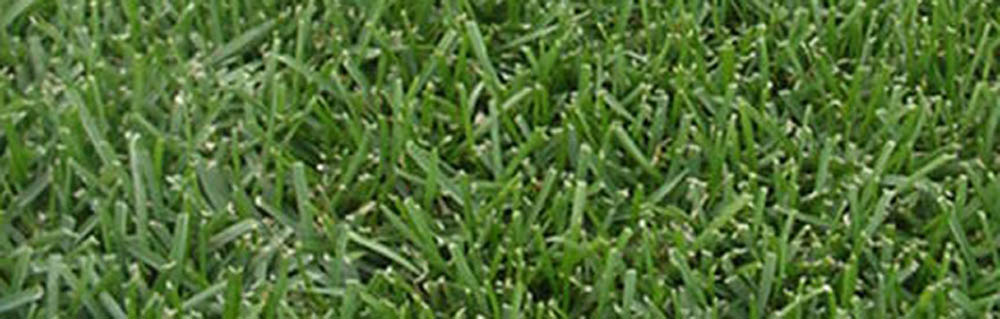
Creeping red fescue,
chewings fesc ue, hard fescue, and sheep fescue grass are in
the category of fine leaved grass defined as fine fescue. Creeping red, chewings, and hard fescue are the most commonly
planted fine fescue grass seed. These fescue varieties are not suitable for livestock grazing pasture use see Tall Fescue For Pastures for more information on fescue grass in pastures.
Fine Fescues are unique among lawn grasses. They have the finest leaves, the most shade tolerance and the lowest fertilizer and moisture requirements of all cool seasons (Northern)
turfgrasses. In addition they germinate more rapidly than Kentucky Bluegrasses or the Colonial Bentgrasses. This makes Fine Fescues an ideal selection for inclusion in Bluegrass or
Bentgrass mixtures. They are also an ideal addition to Tall Fescue lawn mixes because of their shade tolerance.
Shared Characteristics Of Fine Fescue Grass
- Fine fescue grass is a cool season grass adapted from the transition zone in the USA north into Canada
- Fine fescue grass stays green all year if maintained properly
- Fine fescue grass has good drought resistance
- Fine fescue grass performs well when used in cool season grass seed blends with bluegrass, perennial rye, and other fine fescue seeds
- Fine fescue is the most shade tolerant of any lawn grass
- Fine fescue grass is eco friendly as it requires little maintenance - less water & fertilization
- Fine fescue grass will thrive in poor soil conditions and requires little, if any, fertilization tolerant of soil acidity within the pH range of 5.0 to 6.5.
- Fine fescue germinate rapidly and establish generally without delay.
- Fine fescue is occasionally used to winter overseed southern lawns such as dormant bermuda grass
|
CLICK TO BUY QUALITY
FESCUE SEED
AT SEEDLAND
Or view our seed prices.
|
Individual Characteristics of The Fine Fescues
As the name implies, creeping red fescue has rhizomes creeping under the ground as it establishes. Creeping red is a fine bladed grass with a medium to dark green color that is used
for dry shaded areas as either a pure stand or in grass blends with bluegrasses, creeping bent grass, perennial ryegrasses as well as other fine fescues. Creeping Red Fescue grass will
survive in areas of heavy shade (2-4 hours of daily sun) and has a low to moderate tolerance for traffic.
Red Fescue is used extensively in all types of turf areas including parks,
roadsides, lawns, fairways, cemeteries, airfields, and other turf areas. New cultivars of creeping red fescue are constantly being developed with features such as glysophate and salt
tolerance found in slender red creeper Seabreeze GT and better insect resistance and salt tolerance found in
McAlpin. Slender creepers are less invasive and feature better overall turf quality. They are also frequently found in
coastal areas and thus exhibit improved salt tolerance when compared to creeping reds. For more see our page on Creeping Red Fescue
and visit our online store at Seedland.com for pricing on fescue seed.
Creeping Red and Slender Red Creeper fescues are best suited for use in Zones 1, 2, 3 North, 4, 5 North, 6, and 7. In warmer portions of these zones, afternoon shade will significantly
reduce heat stress.
Chewings fescue grass has a more upright growth than the creeping fescues but retaining the fine texture of the fine fescue group of grasses. Chewings fescue is bunch type
growing fescue that forms a very dense, tight knit turf. Chewings fescue is also used frequently in residential lawn mixtures with perennial ryegrass and or Kentucky bluegrass. One of the
more desirable traits of chewings fescue grass is that it can be mown to height as low as 1.5".
In addition to lawn usage, chewings fescue is used low maintenance turf grass areas such as roadsides and green belts. Chewings fescue grass may also be used for naturalized areas or
erosion control (with lower seeding rates) and left un-mowed. Chewings fescue is best adapted to cooler areas in the northern United States and Canada, the coastal regions of the
Northeast and Pacific Northwest, and elsewhere where summers are cool. It is well adapted to the sandy, acidic, often infertile soils that are found in these regions. Seedland sells
chewings fescue varieties Shadow II and
Seven Seas in addition to fescue seed blends containing chewings fescue seed such as
Mid America Super Shade and
Bonny Dunes. Visit
Seedland.com for a complete list of fescue seed and pricing. Chewings fescue
is best suited for Zone 1, 2, 3 North, 4, 5 North, 6, and 7.
Hard fescue grass grows in clumps making it slower to establish than chewings and red fescue grass but once established, hard fescue grass requires little maintenance. In
spite of it's tufted growth pattern hard fescues mix well with other fine fescues. Hard fescue grass is the hardiest of the fine fescue species. It grows best in northern areas of the USA
and usually at higher elevations. Hard fescue grass is highly resistant to diseases making it generally healthier than other fine fescues.
Newer varieties such as
Aurora Gold and
Predator Hard Fescue have very good turf quality, exhibiting a medium dark green color and improved disease resistance. Blue hard fine fescue Little Bighorn is a deep blue-grey colored
hard fescue that is a fine leaved, low growing. good quality turf and makes for an excellent ornamental or alternative lawn. A full sun turf, hard fescue does have very good shade
tolerance. It is also more drought tolerant than creeping red fescue and can be left un-mown.
Hard fescue varieties are suitable for use in lawns, golf course roughs and make an ideal conservation, erosion, and reclamation planting in areas not easily maintained. Hard fescue is
best suited for Zone 1, 2, 3N, 4, 5N, 6, and 7. In zone 8, it is best used in areas shaded from afternoon sun.
Sheep's Fescue (Festuca ovina) grows as a bunch grass which is used for erosion control, meadow grass, soil improvement, drought tolerant lawns as well as ornamental uses
in landscaping and wildflower stands. Sheep Fescue is a a cool season perennial grass that has a blue-green color, grows to 16" tall and is densely tufted. Seedland.com sells
Sheep
Fescue Seed for the uses listed above, also sheep will use this variety of sheep's fescue to graze.
Sheep Fescue Grass is adapted to ND to WA and AK, south
to AZ and NM; introduced eastward to MI, ME, IL and SC.
|
Fescue.com
Growing
a beautiful tomorrow!® |
|